 Verdalyn
Water Content in Vegetables and Satiety Research
Educational Article | February 2026
Introduction
Water is the primary constituent of most vegetables, comprising between 80-95% of their total weight. This high water content is one of the most significant factors contributing to the low energy density of vegetables. Understanding how water content relates to satiety provides important context for understanding why vegetables occupy a particular place in nutritional science and dietary guidelines.
Water Content Across Common Vegetables
The water composition of vegetables varies depending on the vegetable type, growing conditions, and ripeness. Some examples of typical water content include:
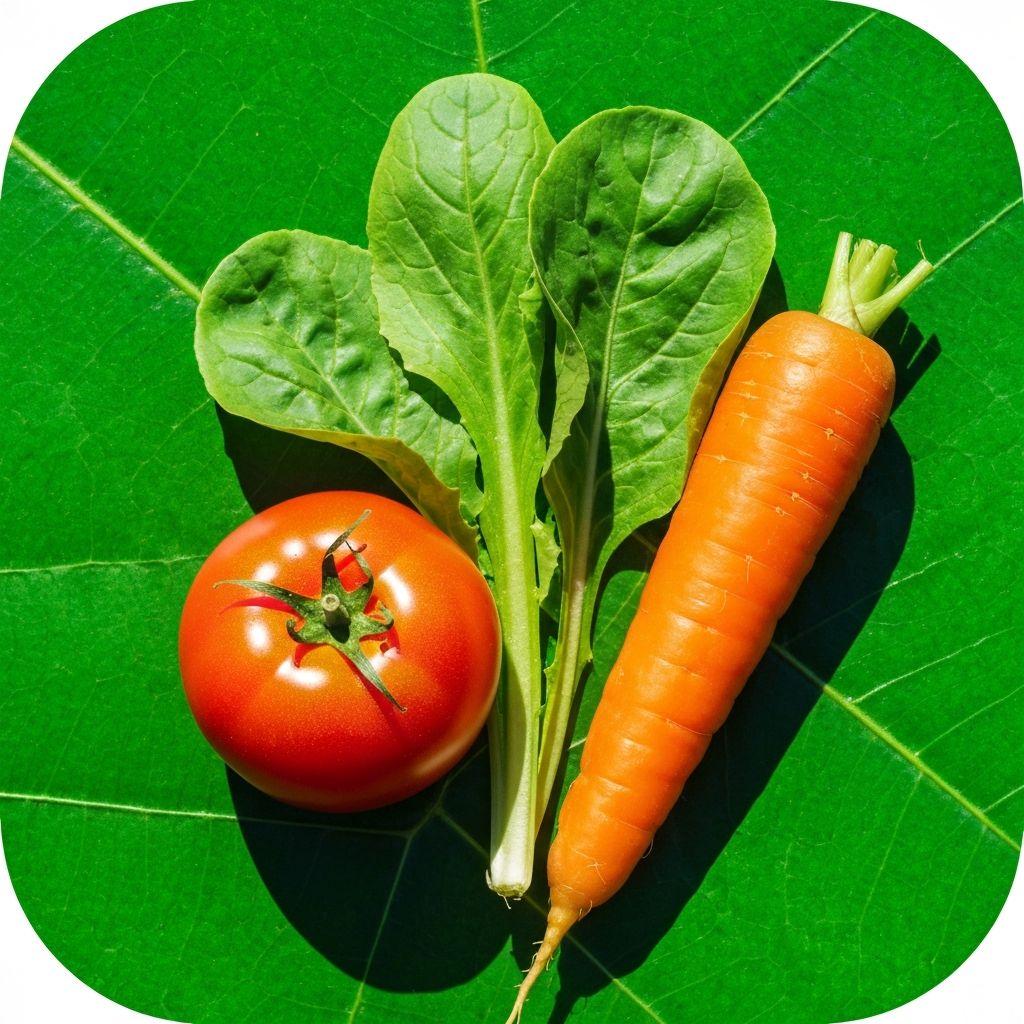
- Lettuce and leafy greens: 95-96% water, approximately 15 calories per 100g
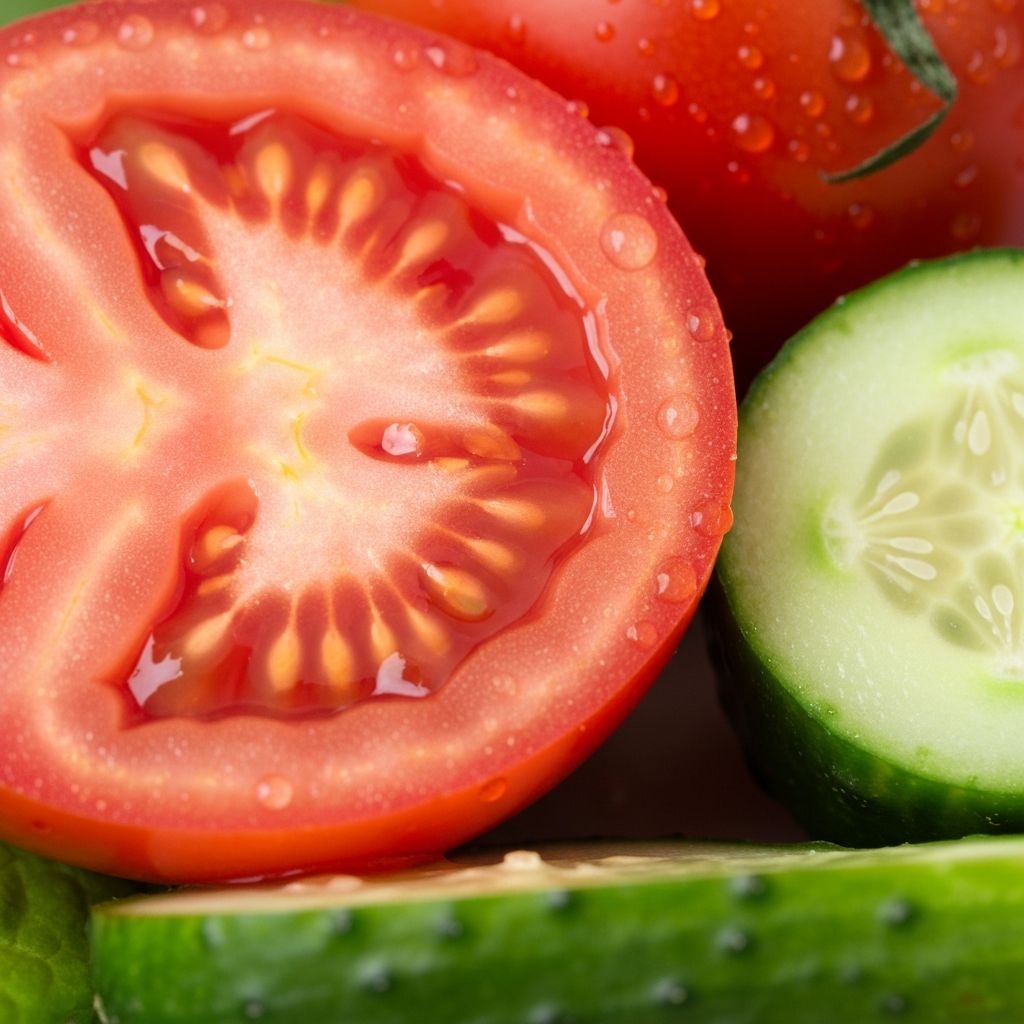
- Cucumbers: 96% water, approximately 16 calories per 100g
- Tomatoes: 95% water, approximately 18 calories per 100g
- Broccoli: 89% water, approximately 34 calories per 100g
- Carrots: 88% water, approximately 41 calories per 100g
- Celery: 95% water, approximately 16 calories per 100g
- Peppers: 92% water, approximately 31 calories per 100g
Energy Density and Volume
The relationship between water content and energy density is direct and well-documented in food science. Foods with very high water content have low energy density because water contributes weight and volume without contributing energy (calories). This mathematical relationship is expressed as:
Energy Density = Calories ÷ Weight (typically per 100g)
A vegetable that is 95% water and contains 18 calories per 100g has an energy density of 0.18 kcal/g. By comparison, a food that is 10% water and contains 350 calories per 100g has an energy density of 3.5 kcal/g—nearly 20 times higher.
Satiety Research and Volume Effects
Nutritional research examining satiety has repeatedly documented associations between food volume and perceived fullness. When larger volumes of food occupy the stomach, mechanoreceptors in the gastric wall are stimulated. These receptors send signals to the central nervous system regarding stomach distension and fullness.
Because vegetables are high in water content, they provide substantial volume per calorie. A large portion of lettuce provides more volume than an equivalent calorie amount of nuts or oil, yet contains far fewer calories. This observation forms the basis of many research studies examining the role of energy density in satiety.
Water and Satiation Signals
The process of satiation—the within-meal decline of appetite—involves multiple signals. Physical volume is one signal among many. The high water content of vegetables contributes to their physical volume, which may influence satiation through:
- Gastric Stretch: The physical distension of the stomach signals fullness to the brain
- Orosensory Stimulation: The taste and oral sensations from consuming water-rich foods
- Eating Time: The duration of eating and chewing may provide time for satiation signals to develop
- Nutrient Absorption: The gradual absorption of water and nutrients may influence appetite hormones
Individual Variation in Water and Satiety
While research documents associations between water-rich foods and satiety responses, individual variation is considerable. Factors that influence how different people respond to water-containing foods include:
- Individual differences in hunger and fullness sensations
- Gastric emptying rates and digestive patterns
- Hormonal status and appetite regulation
- Familiarity and palatability of the foods consumed
- Eating environment and psychological factors
- Meal composition and the presence of other macronutrients
Water Content in Food Composition Databases
The water content of vegetables is documented in comprehensive food composition databases maintained by government agencies and nutritional science institutions. The UK Food Standards Agency (FSA) and international databases including USDA FoodData Central maintain detailed records of water, macronutrient, and micronutrient composition for vegetables.
Practical Context
In everyday eating contexts across the UK and internationally, vegetables with high water content appear regularly in meals. Salads composed primarily of leafy greens, soups with vegetable bases, and meal components of cooked or raw vegetables represent common food patterns. The high water content contributes to these vegetables' role in mixed meals, where they are typically combined with other foods.
Limitations and Considerations
While water content is a measurable and important property of vegetables, it is one of many factors influencing satiety. Other important factors include fibre content, nutrient composition, food texture, eating rate, and individual physiological differences. Research examining water content in isolation may not reflect how water-containing vegetables function within complex, real-world meal situations.
Conclusion
Water content is the primary determinant of the low energy density characteristic of most vegetables. This high water content contributes volume to meals with minimal caloric contribution, which has been observed in nutritional research to relate to satiety responses. Understanding water content as a chemical and physical property provides educational context for understanding why vegetables occupy their particular position in nutritional science and public health dietary guidance.
Educational Disclaimer
This article provides educational information about water content in vegetables and observations from satiety research. It is not intended as dietary advice or a guarantee of outcomes. Individual responses to foods vary considerably. For personal nutrition decisions, consult qualified nutrition or health professionals.