 Verdalyn
Volume Effects in Mixed Meals Studies
Educational Article | February 2026
Introduction
Most human eating occurs as mixed meals—foods combined together at an eating occasion—rather than isolated single foods. Understanding how volume effects work in the context of mixed meals is important for understanding satiety in real-world eating contexts, where vegetables typically appear alongside grains, proteins, and other foods.
What Are Mixed Meals?
Mixed meals are meals containing multiple foods from different food groups. Examples of common mixed meals include:
- A plate containing meat or fish, potatoes or rice, and a vegetable side
- A soup containing both vegetables and a starch or protein base
- A sandwich with multiple components
- A casserole or stew combining vegetables, grains or legumes, and protein
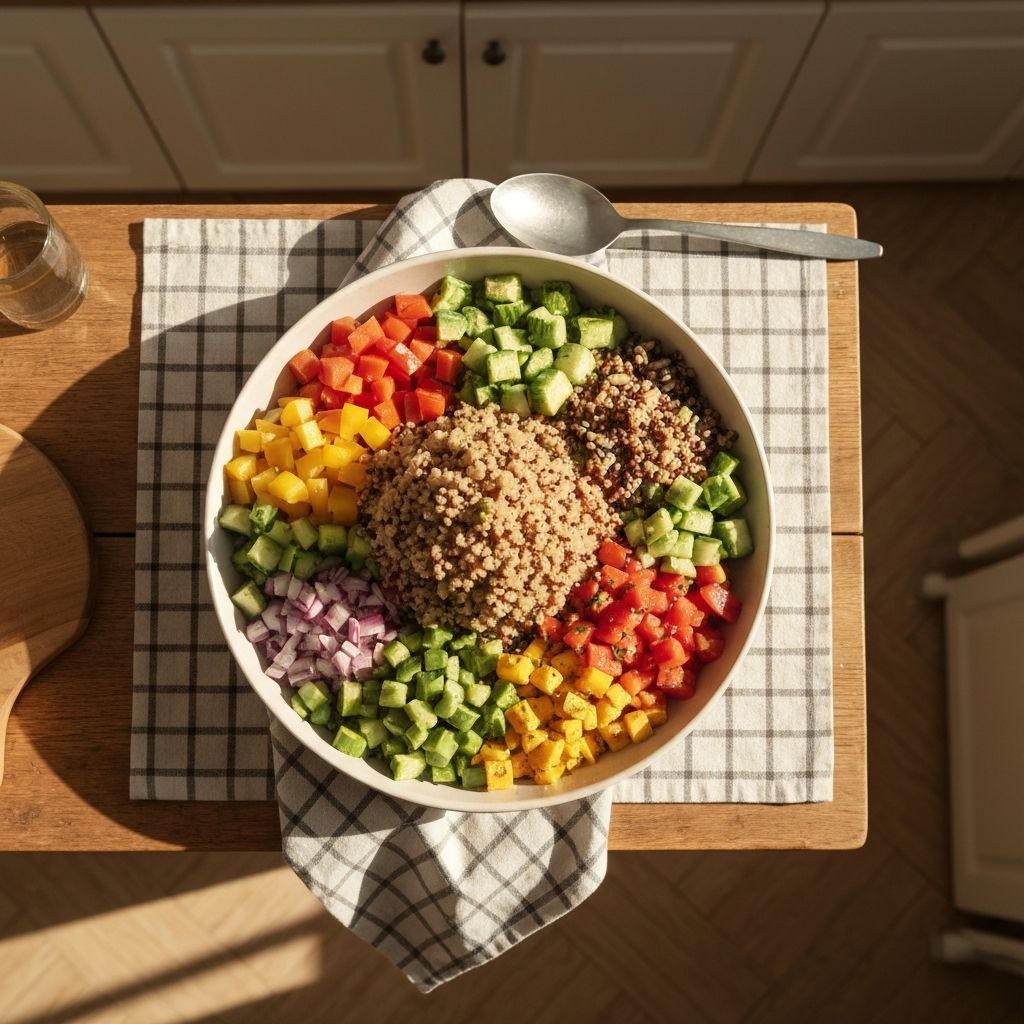
- A salad combining vegetables with grains, proteins, and dressing
In real eating contexts, foods are almost always consumed in combinations rather than in isolation.
Meal Volume and Food Intake
Nutritional research examining the relationship between meal volume and food intake has documented several observations in mixed meal contexts:
- Volume Effect: Meals with greater physical volume tend to result in earlier satiation compared to lower-volume meals of equivalent calories
- Portion Perception: The visual appearance and plate presentation of meal volume influences eating quantity
- Satiation Curves: The rate at which satiation develops differs depending on meal composition and volume
- Meal Composition: The relative proportions of macronutrients and foods in mixed meals influence satiation differently than single foods
Vegetables in Mixed Meal Contexts
Vegetables typically function in mixed meals as complementary foods alongside starches and proteins. Common mixed meal patterns including vegetables:
Traditional British Meals
- Sunday Roast Pattern: Meat, potatoes (roasted or mashed), and two vegetable sides—represents a 40-50% volume contribution from vegetables
- Fish and Chips Meal: Fish, fried potatoes, peas—peas contribute volume and low energy density
- Shepherd's Pie: Mixed meat and vegetable base with mashed potato topping
- Vegetable Stew: Vegetables, grains or legumes, broth—high vegetable proportion
Contemporary Mixed Meal Patterns
- Grain bowls with mixed vegetables and proteins
- Vegetable-based soups with bread
- Stir-fries with vegetables, grains, and protein
- Salads combining vegetables, grains, legumes, and dressing
Energy Density of Mixed Meals
The energy density of a complete meal depends on the proportional composition of all components. Examples of how vegetable inclusion affects meal energy density:
- Meal with 25% vegetables by volume: Mixed meal energy density approximately 0.8-1.0 kcal/g
- Meal with 50% vegetables by volume: Mixed meal energy density approximately 0.6-0.8 kcal/g
- Meal without vegetables, primarily grains and protein: Mixed meal energy density approximately 1.2-1.5 kcal/g
These differences become significant when examining total energy intake across meals and eating days.
Research Observations on Mixed Meals
Nutritional research examining satiety in mixed meal contexts has documented several findings:
Satiation Patterns
Studies examining eating patterns during mixed meals have observed that:
- Individuals consuming lower-energy-density meals report earlier satiation
- Meal duration and eating rate influence satiation development
- The perceived variety and composition of mixed meals influences satisfaction and eating quantity
Appetite Hormones
Mixed meal composition affects hormones related to appetite:
- Macronutrient composition (protein, fat, carbohydrate) influences hormone release
- Meal volume and physical properties affect gastric stretch signals
- Mixed meals may produce different hormonal patterns than single foods
Subjective Satiety Responses
How people feel after eating is influenced by mixed meal properties:
- Perceived fullness ratings after mixed meals vary based on meal volume and composition
- The visual appearance of large portions influences perceived satiety
- Food familiarity and cultural eating patterns influence satiation experiences
Practical Aspects of Vegetable-Rich Mixed Meals
In real-world eating contexts, incorporating vegetables into mixed meals affects:
- Meal Volume: Vegetables increase the physical volume of meals without substantially increasing calories
- Eating Duration: Vegetable-rich meals may require longer eating time due to texture and chewing requirements
- Nutrient Density: Vegetables increase micronutrient contribution while maintaining low caloric content
- Cost and Accessibility: Vegetables are often affordable and accessible in UK markets and gardens
Individual Variation in Mixed Meal Responses
Despite documented average effects in research, individual responses to mixed meals containing vegetables vary considerably. Factors affecting individual responses include:
- Familiarity with meal components and traditional eating patterns
- Individual satiety sensitivity and appetite regulation
- Preferences for meal composition and food combinations
- Psychological and emotional responses to meals
- Social and environmental eating context
- Overall health status and digestive function
Limitations of Mixed Meal Research
While research on mixed meals provides important insights, limitations include:
- Laboratory studies may not fully reflect natural eating environments
- Controlled meal compositions may differ from habitual mixed meals
- Individual variation may not be fully captured in group-level data
- Longer-term effects of meal composition are less well-studied than acute effects
- Cultural differences in meal patterns affect generalisability of findings
Conclusion
Vegetables in mixed meals contribute physical volume and low energy density while complementing other food components. Nutritional research documents associations between increased meal volume from vegetables and satiation responses in mixed meal contexts. However, individual responses vary considerably and are influenced by numerous factors beyond food properties alone. Mixed meal research provides valuable context for understanding how vegetables function in real eating situations, though limitations of research designs should be recognised.
Educational Disclaimer
This article provides educational information about mixed meals and research observations on volume effects. It is not intended as dietary recommendations or meal planning advice. Individual eating patterns, preferences, and health considerations influence appropriate meal composition. For personal nutrition guidance, consult qualified nutrition or health professionals.